Religion in Morocco: Islam in Morocco forms the foundation of the country’s culture and social values. It promotes respect, solidarity, compassion, and peaceful coexistence, shaping daily life and strengthening the sense of community that defines Moroccan society.
Visiting Morocco offers a unique opportunity to experience these values firsthand. From the country’s warm hospitality and generosity to its strong family ties and spirit of mutual support, Islamic traditions influence everyday interactions and cultural customs. Whether exploring historic cities, traditional villages, or vibrant markets, travelers can discover how Islam continues to shape Morocco’s identity and way of life.
The History of Islam in Morocco
Islam arrived in Morocco during the 7th century and quickly became a defining element of the country’s culture, history, and identity. Over the centuries, powerful dynasties such as the Almoravids and the Almohads played a vital role in spreading Islamic knowledge, building magnificent mosques, and establishing religious schools that shaped Morocco’s intellectual and spiritual heritage.
Today, Islam remains at the heart of Moroccan society. It continues to influence the nation’s traditions, architecture, legal system, and daily life, making it an integral part of Morocco’s cultural identity and historical legacy.
Mosques and Religious Landmarks
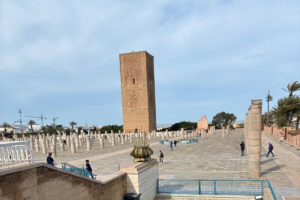
The mosques in Morocco showcase the country’s rich Islamic heritage and remarkable architectural beauty. More than places of worship, they stand as enduring symbols of Morocco’s history, culture, and artistic excellence.
Among the most famous mosques in Morocco is the Hassan II Mosque in Casablanca, one of the largest and most spectacular mosques in the world. Another iconic landmark is the Al-Qarawiyyin Mosque and University in Fez, recognized as one of the oldest continuously operating educational institutions in the Islamic world. These historic monuments reflect Morocco’s deep spiritual traditions and centuries of Islamic scholarship, making them must-visit attractions for travelers interested in history, architecture, and religion.
Values and Principles in Islam
The values and principles of Islam play a central role in shaping Moroccan society. Islam encourages tolerance, peaceful coexistence, compassion, and cooperation, creating strong bonds between individuals and communities. These principles are reflected in everyday life through mutual respect, hospitality, generosity, and a deep sense of social responsibility.
Visitors to Morocco can experience these Islamic values firsthand. Whether interacting with local families, exploring traditional communities, or participating in cultural celebrations, travelers often notice the warmth, kindness, and respect that characterize Moroccan hospitality. These enduring values enrich the travel experience and offer a deeper understanding of Morocco’s cultural and spiritual heritage.
Core Values in Islam:
- Tawhid (Oneness of God)
- Justice (‘Adl)
- Compassion and Mercy (Rahma)
- Honesty and Truthfulness (Sidq)
- Respect and Good Character (Akhlaq)
Religious Events in Morocco
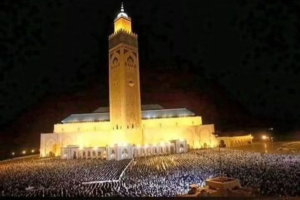
Religious events in Morocco, such as Ramadan, Eid al-Fitr, and Eid al-Adha, offer a meaningful way to explore the country’s Islamic culture and traditions. These important occasions deeply influence daily life, as work routines slow down and families come together to share meals, strengthen bonds, and reflect on spiritual values.
During these celebrations, acts of charity, generosity, and community service become especially visible, highlighting the importance of solidarity in Moroccan society. Streets and homes are filled with a festive atmosphere, and traditional customs create a unique cultural experience for both locals and visitors.
For travelers, these religious events provide an authentic opportunity to understand Morocco’s spiritual heritage and experience the warmth, hospitality, and social cohesion that define Moroccan life.
Religious Practices in Islam in Morocco
Religious in Morocco practices play a central role in the lives of Moroccans and form an important part of the country’s social and cultural fabric. These practices reflect a strong sense of faith and commitment while also reinforcing unity and social cohesion within Moroccan society.
Key Islamic practices include performing the five daily prayers, fasting during the holy month of Ramadan, giving zakat (charity), and undertaking the Hajj pilgrimage for those who are able. Beyond individual worship, these practices strengthen community bonds and encourage compassion and mutual support.
During Ramadan, for example, families and communities gather to break their fast together at sunset, creating a strong sense of togetherness. At the same time, many people make a special effort to support the poor and those in need through charitable acts and donations, highlighting the values of generosity and solidarity that define religious life in Morocco.
Religious Attire in Morocco
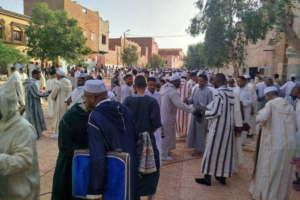
Clothing plays an important role in religious practices in Morocco, reflecting respect, humility, and devotion during prayer and Islamic events. Traditional attire helps create a spiritual atmosphere and reinforces the cultural values associated with worship.
For men, prayer clothing often includes the djellaba or caftan, sometimes accompanied by a small cap, especially during prayers or religious gatherings. For women, the abaya or djellaba, combined with a hijab that covers the head and body, is commonly worn when attending prayers or visiting mosques. These garments symbolize modesty, faith, and commitment to Islamic values.
Beyond tradition, this form of dress contributes to a shared spiritual and social experience in Morocco. It enhances feelings of respect, unity, and tranquility during prayer, while also reflecting the deep connection between cultural identity and religious life.
Conclusion
So, Islam in Morocco is not only a religion, it is a complete cultural experience that connects history, religion in Morocco, art, and living together. It is through this experience that tourists can find the essence of Morocco, where religion and culture come together, and where hospitality and human warmth are a reality.
Contact us today for a free quote and start planning your Morocco adventure with our local experts