Moroccan cuisine ranks among the most diverse and famous cuisines in the world. It reflects centuries of history, cultural exchange, and regional diversity. Each Moroccan dish tells a story about the country’s land, traditions, and way of life.
For travelers, tasting Moroccan food offers an important part of the Moroccan experience. Local cooks combine aromatic spices, fresh ingredients, and traditional techniques to create distinctive flavors. Families have passed many of these cooking methods from one generation to the next.
From flavorful tagines and couscous to fresh salads, pastries, and mint tea, Moroccan food offers a rich culinary experience. Exploring these dishes allows visitors to discover another important side of Morocco’s culture and heritage.
Traditional Moroccan Dishes:
Couscous:
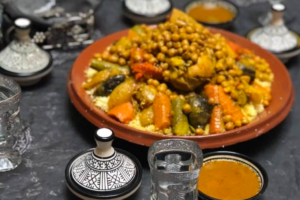
Couscous is one of Morocco’s most famous traditional dishes and holds a special place in Moroccan culture. Many Moroccan families traditionally prepare it on Fridays. They often serve steamed semolina grains with seasonal vegetables such as carrots, zucchini, turnips, and chickpeas.
Families may also add meat or chicken to the dish. The ingredients and preparation can vary from one region to another. Sharing couscous around the table brings families together and reflects the values of hospitality, generosity, and family unity.
For many Moroccans, couscous represents more than food. It forms an important part of the country’s culinary heritage and remains a cherished tradition passed from one generation to the next.
Tagine:
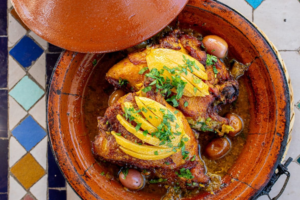
Tagine refers to both a popular Moroccan dish and the distinctive cone-shaped clay pot used for cooking it. The traditional pot helps retain moisture and allows the ingredients to cook slowly. This method brings out rich flavors and creates tender meat and vegetables.
Moroccan cuisine offers many varieties of tagine. Some of the most popular include:
Chicken tagine with preserved lemon and olives
Meat tagine with prunes and almonds
Vegetable tagine
Each version combines fresh ingredients with aromatic Moroccan spices. Tagine remains a staple of Moroccan cuisine and an essential dish for travelers who want to experience authentic Moroccan flavors.
Tanjia:
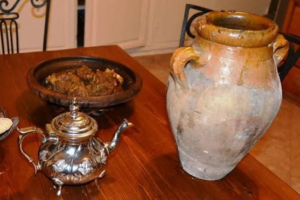
Tanjia is a famous traditional dish from Marrakech. Local cooks usually prepare it with beef or lamb and season it with garlic, cumin, saffron, and preserved lemon.
The slow-cooking method gives the meat a tender texture and rich flavor. Traditionally, cooks place the clay jar in hot ashes to cook the dish slowly. Tanjia also has strong ties to Marrakech’s social traditions, family gatherings, and celebrations.
Today, Tanjia remains an important part of Marrakech’s culinary heritage. Visitors can try this flavorful dish and discover a unique part of Moroccan food culture.
Harira:
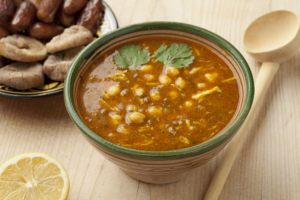
Harira is a traditional Moroccan soup known for its rich flavor and nourishing ingredients. Cooks prepare it with tomatoes, lentils, chickpeas, fresh herbs, and aromatic spices.
Moroccan families often enjoy harira during Ramadan, especially when breaking the fast. Its warm texture and nutritious ingredients make it a comforting part of Moroccan cuisine.
Rfissa:
Rfissa is a traditional Moroccan dish for special occasions. Families often serve it after childbirth. The dish features shredded msemen or trid pastry. Chicken, lentils, and onions add rich flavor. Fenugreek and spices enhance the savory sauce. Rfissa offers a delicious taste and strong cultural significance.
Mechoui:
Mechoui is a traditional Moroccan dish made with slow-roasted lamb. The meat cooks slowly until it becomes tender and juicy. Families often serve mechoui at weddings and religious festivals. It also appears at major family celebrations. Simple seasonings, such as salt and cumin, enhance the lamb’s natural flavor.
Seffa Medfouna:
Seffa Medfouna is a popular Moroccan dish with sweet and savory flavors. Cooks prepare it with steamed vermicelli or fine couscous. They add powdered sugar and cinnamon for a sweet finish. Chicken or meat fills the center of the dish. Families often serve Seffa Medfouna during festive occasions.
Moroccan Bread & Pancakes:
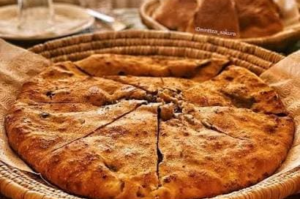
Moroccan round bread is a staple at many meals. Families enjoy it with tagines, salads, and other dishes. Its firm texture also makes it useful as a utensil. People often use pieces of bread to scoop up food.
Msemen:
Msemen is a popular Moroccan flatbread with a square shape. Its thin layers create a crispy outside and a soft center. Many people enjoy msemen for breakfast. It also makes a tasty snack throughout the day.
Beghrir:
Baghrir is a traditional Moroccan semolina pancake. Its soft, spongy texture features many tiny holes. These holes absorb butter, honey, and other toppings. Families often serve baghrir at gatherings and special occasions. Enjoy this light pancake for breakfast or as a sweet treat.
Moroccan Salads & Starters:
Zaalouk:
Zaalouk is a traditional Moroccan eggplant salad. Cooks combine eggplant with tomatoes, garlic, olive oil, and spices. The ingredients create a rich and flavorful dish. You can serve zaalouk warm or cold. It makes a delicious starter or side dish.
Taktouka:
Taktouka is a traditional Moroccan salad made with tomatoes and green peppers. Garlic and paprika add a rich, savory flavor. Cooks gently sauté the vegetables until they become tender. You can serve taktouka warm or cold. It makes a tasty starter before the main course.
Assorted Moroccan Salads:
Moroccan meals often feature several small salads. Families serve them together as part of the meal. These salads bring fresh flavors and colorful ingredients to the table. Sharing them also reflects Moroccan hospitality and food culture.
Moroccan Street Food:
Bissara:
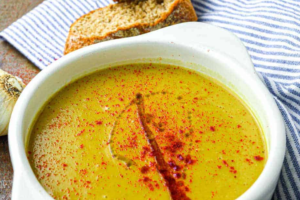
Bissara is a traditional Moroccan soup made from dried fava beans or split peas. The soup has a thick and creamy texture. It is especially popular in northern Morocco. Many people enjoy bissara during the colder months. This hearty soup makes a warm and comforting meal.
Snail soup:
Moroccan snail soup is a popular street food. Cooks prepare it with snails, herbs, and traditional spices. The flavorful broth creates a warm and comforting dish. Locals often enjoy snail soup at street food stalls. Visitors also try this unique Moroccan specialty.
Sardines:
Moroccan sardines are fresh, flavorful, and widely enjoyed. Coastal cities often grill sardines or stuff them with chermoula. This herb-filled marinade adds a rich and zesty taste. Sardines remain one of the most popular seafood choices in Morocco.
Moroccan Sweets & Desserts:
Kaab El Ghazal:
Kaab El Ghazal means “gazelle horns” in Arabic. These traditional Moroccan pastries have a delicate crescent shape. Each pastry contains a smooth almond paste filling. Orange blossom water adds a fragrant and floral flavor. Kaab El Ghazal is a popular Moroccan sweet for special occasions.
Chebakia:
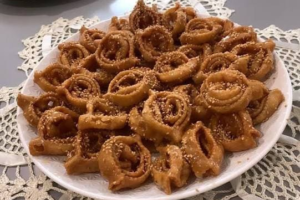
Chebakia is a traditional Moroccan pastry with a sweet, crunchy texture. Cooks shape the dough into a flower-like design. They deep-fry it and coat it with honey and sesame seeds. Families often prepare chebakia during Ramadan. This popular Moroccan sweet pairs well with mint tea.
Ghriba:
Ghriba is a traditional Moroccan cookie with a soft, crumbly texture. Bakers make it with almonds, coconut, or sesame seeds. Each variety offers a unique flavor and texture. Families often serve ghriba during celebrations and special occasions. Enjoy these classic cookies with Moroccan mint tea.
Briouats:
Briouats are popular Moroccan pastries with a crisp, golden texture. Cooks fill them with almonds and sweet honey. They fold the pastry into small triangles or cylinders. Briouats offer a delicious mix of crunchy pastry and rich filling. Families often serve them during celebrations and special occasions.
Moroccan Food as a Cultural Experience:
Moroccan food offers a delicious way to explore local culture. Traditional home-style dishes showcase family recipes and customs. Festive meals bring people together for special occasions. Moroccan street food also reflects everyday life. Each dish tells a story about Morocco’s rich food traditions.
Conclusion
Moroccan cuisine offers a rich mix of flavors and traditions. Each region adds its own unique dishes and cooking styles. Local food also reflects the warmth and hospitality of Moroccan people. Exploring Morocco through food creates a memorable cultural experience for every visitor.
Contact us today for a free quote and start planning your Morocco adventure with our local experts