The wedding ceremony in Imilchil is one of the most important social traditions in the local Amazigh community. It celebrates more than the union of two people. Families and community members also take part in the celebration.
The ceremony reflects important values such as solidarity, cooperation, and mutual respect. Local families continue to preserve these values through their wedding traditions.
Life in this mountainous region remains simple, yet the wedding ceremony carries rich cultural meaning. Each tradition has its own symbols and significance. Families pass these customs from one generation to the next, helping preserve Imilchil’s Amazigh heritage.
Preparations for the Imilchil Wedding Ceremony:
Family Preparations:
Wedding preparations often begin several days or even weeks in advance. Both families take an active role in getting everything ready. Women in the families usually prepare traditional food, clothing, and other items needed for the ceremony.
Neighbors and relatives also lend a hand during this busy period. Their support reflects the strong spirit of cooperation and social solidarity within the local Amazigh community. These shared efforts also strengthen family and community bonds.
Preparing the Bride:
The bride receives special attention in the days before the wedding. Women in her family organize traditional rituals to help her prepare for the celebration. These rituals often include bathing, adornment, and applying henna.
Women also sing traditional songs and share joyful chants during these moments. They express their happiness and offer prayers for the bride’s future. These customs create a warm atmosphere and highlight the important role of women in Imilchil wedding traditions.
Traditional Clothing in the Imilchil Wedding Ceremony:
The Bride’s Traditional Attire in Imilchil:
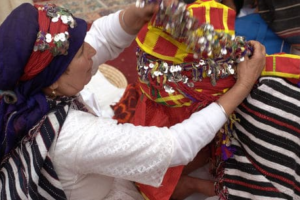
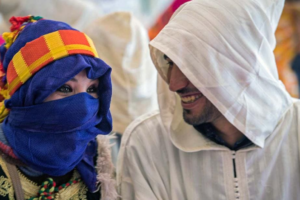
During the Imilchil wedding ceremony, the bride wears traditional Amazigh clothing that reflects the region’s cultural identity. Her outfit usually features heavy fabrics that provide warmth in the mountainous climate.
She also wears traditional silver jewelry, such as fibulae, pins, and necklaces. These ornaments add beauty to the bridal outfit and carry cultural meanings. They can represent protection, fertility, and tribal belonging.
Together, the clothing and jewelry highlight the rich Amazigh heritage of Imilchil and give the wedding ceremony a distinctive cultural character.
The Groom’s Attire:
The groom wears simple traditional Amazigh clothing during the wedding ceremony. His outfit often includes a white robe or a local garment, along with a traditional turban.
This simple attire reflects dignity, respect, and responsibility. It also highlights the cultural values that surround marriage in the Imilchil community.
Wedding Day:
Welcoming the Guests:
The wedding ceremony usually takes place at the family home or in an open space. Family members prepare the area and welcome guests with warmth and generosity.
Guests often receive Moroccan tea, a traditional symbol of hospitality. Family members, neighbors, and villagers come together to celebrate the special occasion. Their presence creates a strong sense of community and shared joy.
This warm welcome reflects the importance of hospitality and social solidarity in Imilchil wedding traditions.
Traditional Food:
Food plays a central role in the Imilchil wedding ceremony. Families prepare traditional dishes according to their means and local customs. Popular choices include couscous and meat dishes.
Guests gather around the meal and share food together. This simple tradition represents unity, generosity, and community participation. It also strengthens the bonds between families, neighbors, and other members of the community.
Folk Arts During the Ceremony:
Songs and Chants:
Traditional Amazigh songs and chants add energy and joy to the Imilchil wedding ceremony. Women and local groups perform these songs throughout the celebration.
The songs often explore themes of joy, marriage, love, and shared life. They bring people together and create a lively atmosphere. Through music and chants, the community expresses its happiness and celebrates the union of the bride and groom.
Ahidous Dance:
Ahidous is one of the most popular folk dances at wedding ceremonies in Imilchil. Men and women form organized rows and move together to the rhythm of traditional drums.
The dancers also chant as they perform. Their coordinated movements create a strong sense of harmony and unity. Ahidous brings the community together and highlights the importance of social bonds and Amazigh cultural heritage in Imilchil.
After the Wedding Ceremony:
After the wedding ceremony, the couple begins a new chapter in their life together. The two families continue to strengthen their relationship through regular visits and shared gatherings.
Family members often exchange gifts during these visits. This tradition expresses respect, generosity, and friendship between the families. It also helps maintain strong social bonds within the local community.
Natural and Tourist Attractions in Imilchil:
Imilchil is famous for its beautiful natural landscapes. The region features impressive mountains, peaceful lakes, and unique natural sites. These attractions draw visitors who want to enjoy nature and discover the area’s authentic character.
This natural diversity makes Imilchil an appealing destination for mountain and nature tourism. Visitors can enjoy peaceful surroundings, fresh mountain air, and spectacular scenery away from busy cities.
Here are some of the most prominent natural landscapes and attractions in Imilchil:
Todgha Gorges:
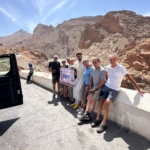
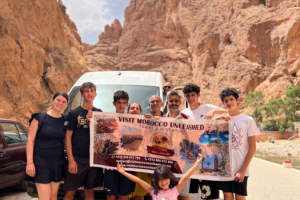
The Todgha Gorges rank among the most famous natural landmarks near Imilchil. They lie in Tinghir Province, within the Eastern High Atlas Mountains.
Towering rock walls rise on both sides of the gorges. Natural erosion shaped these impressive cliffs over thousands of years. Today, the area attracts visitors who enjoy rock climbing, hiking, nature, and adventure tourism.
The dramatic scenery makes Todgha Gorges a popular destination for both Moroccan and international visitors. Travelers can explore the rugged landscape while enjoying the unique beauty of the High Atlas.
Isli and Tislit Lakes:
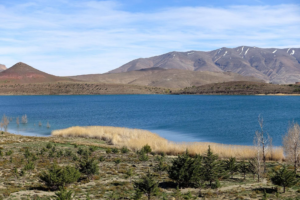
Isli and Tislit Lakes rank among the most beautiful natural attractions in Imilchil. Their location in the High Atlas Mountains gives them a peaceful and scenic setting.
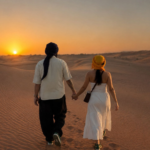
The two lakes also connect to a famous Amazigh legend. The story tells of Isli, a young man, and Tislit, a young woman from rival tribes. Their families forbade them from marrying. According to the legend, the two lovers cried after their separation, and their tears formed the lakes.
This touching story represents true love, loyalty, and devotion. It also gives Isli and Tislit Lakes a special cultural and human significance. Today, the lakes attract visitors who want to enjoy the scenery, discover local heritage, and take photographs.
Akhiam Cave:
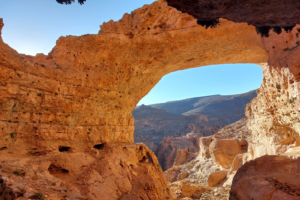
Akhiam Cave is an important natural landmark near Imilchil. You can find it near the Akoudal area, surrounded by the rugged landscapes of the High Atlas Mountains.
The cave features impressive natural rock formations. Water, wind, and time shaped these formations over thousands of years. Local shepherds also used the cave as a temporary shelter during their journeys through the mountains.
Akhiam Cave also appears in several local tales and legends. These stories add a cultural dimension to the site. Today, the cave forms part of the region’s natural and cultural heritage and offers visitors an opportunity to explore Imilchil’s rugged mountain environment.
Activities of the Inhabitants of Imilchil:
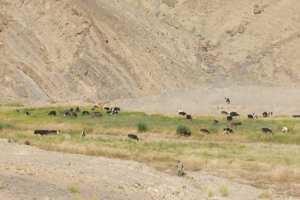
People of Imilchil practice a range of activities that suit the region’s mountainous landscape and harsh climate. Livestock farming remains one of the main traditional activities. Many local families raise sheep and goats for their livelihoods.
Residents also practice subsistence farming. They grow basic crops such as barley and wheat, with rainfall playing an important role in production.
Traditional crafts form another part of daily life. Local artisans make carpets and woolen clothing using traditional techniques. These crafts help preserve the region’s Amazigh heritage.
Tourism also creates opportunities for local communities. Residents welcome visitors, provide local guidance, and offer accommodation. These activities support the local economy while helping preserve Imilchil’s cultural heritage.
Conclusion
The Imilchil wedding ceremony represents much more than the union of two people. It brings families, neighbors, and the wider community together. Traditional clothing, local food, music, dance, and social customs all reflect the rich Amazigh cultural heritage of the region.
These traditions connect generations and strengthen community bonds. They also help local families preserve the identity of Imilchil and pass their customs to younger generations. Visitors who discover the Imilchil wedding ceremony can gain a deeper understanding of Morocco’s cultural diversity and the traditions of the High Atlas Mountains.
The ceremony remains an important part of Imilchil’s cultural heritage. It celebrates love, family, solidarity, and community. At the same time, it keeps traditional Amazigh customs alive for future generations.
Contact us today for a free quote and start planning your Morocco adventure with our local experts