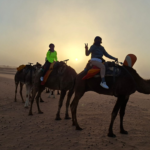
Imilchil Engagement Moussem : If you want to get to know Morocco more closely, exploring its cultural heritage is one of the best ways to understand its deep-rooted identity. Morocco’s rich cultural diversity brings together authenticity, history, and tradition to create a unique national identity.
Moroccan traditions, customs, music, crafts, and popular festivals reflect this cultural richness. Each region has its own distinctive practices and celebrations. These traditions offer a glimpse into Morocco’s history and the values that communities have preserved across generations.
In this article, we will explore one of the most important cultural expressions in Morocco. We will discover the deep connection between Moroccan people, nature, heritage, and celebration. Along the way, you will learn how Moroccan traditions preserve the country’s identity and bring communities together.
The Imilchil Region:
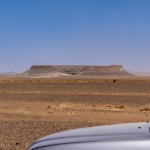
First, let us explore the Imilchil region, a mountainous area in Midelt Province, within Morocco’s Drâa-Tafilalet region. Located in the eastern High Atlas Mountains, Imilchil combines spectacular landscapes, traditional lifestyles, and rich Amazigh culture.
The region has a harsh mountain climate, especially during winter. Heavy snowfall and sharp drops in temperature often affect daily life. However, local communities have adapted to these conditions over generations. Livestock farming and subsistence agriculture remain important activities. They reflect a simple way of life that stays closely connected to the land.
Imilchil also has a rich Amazigh cultural heritage. One of its best-known traditions is the Sidi Hmad Oulmgni Moussem. This annual cultural and social gathering brings local communities together. It helps preserve local traditions, strengthen social ties, and celebrate the region’s cultural identity.
The region also has a strong connection to the famous legend of Lake Isli and Lake Tislit. These two lakes hold an important place in local oral heritage. For generations, local communities have passed down the story behind them. The legend adds a fascinating cultural dimension to Imilchil’s natural beauty.
With its dramatic High Atlas landscapes and enduring Amazigh traditions, Imilchil offers a unique insight into Morocco’s cultural heritage and rural mountain life.
Here are some of the most important features and attractions of the Imilchil region:
Moussem Sidi Hmad Oulmghni in Imilchil:
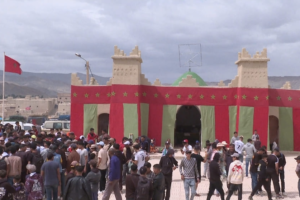
The Moussem Sidi Hmad Oulmghni in Imilchil is an annual cultural event with deep religious, social, and cultural significance for local communities. The celebration takes place in the Imilchil region of Morocco’s Eastern High Atlas Mountains. It offers an important expression of Amazigh heritage and local traditions.
The Imilchil Engagement Moussem traditionally takes place in early autumn. The main celebrations usually run from September 21 to 23, near the shrine of Sidi Hmad Oulmghni. During the event, local communities gather to celebrate their cultural heritage and strengthen social ties.
The moussem also helps preserve traditions that have passed down through generations. Visitors can experience the region’s customs, community spirit, and rich Amazigh cultural identity. As a result, the event remains an important part of Imilchil’s cultural heritage.
History of Sidi Hmad Oulmghni:
Historically, the Moussem of Sidi Hmad Oulmghni in Imilchil has had a close connection with visits to the shrine of the revered saint, Sidi Hmad Oulmghni. Over time, the moussem grew into an important gathering for local communities and neighboring tribes. People came together for religious, social, and cultural activities.
The Imilchil Engagement Moussem also served an important practical purpose in traditional community life. It helped families arrange marriage agreements and contracts. This role mattered greatly in a mountainous region like Imilchil. Difficult terrain, harsh weather, limited transportation, and poor roads often made travel challenging.
The annual gathering gave families, community members, and religious authorities a chance to meet in one place. They could discuss important matters and complete key social and religious procedures. The moussem therefore became more than a religious event.
Today, it represents an important part of Amazigh heritage, community solidarity, and traditional marriage customs in Imilchil. It also shows how cultural gatherings can strengthen social ties and preserve local traditions across generations.
Where to Stay in Imilchil?
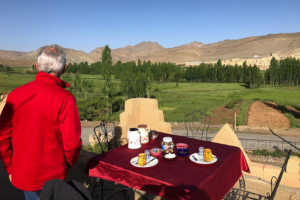
Imilchil offers a variety of accommodation options, including small hotels, guesthouses, local lodges, and homestays. These options provide travelers with basic comfort and an authentic opportunity to experience Amazigh culture and mountain hospitality. During the Imilchil Moussem and peak seasons, booking accommodation in advance is highly recommended due to increased visitor demand.
Interacting with Locals at the Festival:
During the Imilchil Festival, interaction with the local community creates a warm and authentic atmosphere. Visitors can meet local residents, discover Amazigh traditions, share meals and music, and experience local cultural activities. These encounters promote cultural exchange and mutual understanding, while creating meaningful connections between travelers and the people of Imilchil.
Imilchil Engagement Moussem & Music Festival Activities:
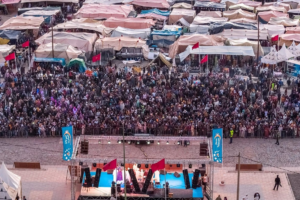
Sidi Hmad Oulmghni Moussem and Imilchil High Atlas Music Festival bring together a rich mix of religious, cultural, and artistic activities. Visitors can take part in Mausoleum visits, prayers, and spiritual gatherings, while social events strengthen connections between local communities and neighboring tribes. The celebrations also feature traditional Amazigh music, folk dances, cultural performances, handicraft exhibitions, and displays of traditional clothing. Local markets offer an opportunity to discover regional products and traditional Moroccan food. Together, these activities help preserve Amazigh cultural heritage, celebrate local traditions, and promote social unity and cultural exchange.
Sidi Hmad Oulmghni Moussem & Imilchil Music Festival:
The relationship between the Sidi Hmad Oulmghni Moussem and Music Festival in Imilchil is based on cultural complementarity. The moussem is a traditional event with important religious and social dimensions. Reflecting the spiritual roots and cultural heritage of the Imilchil region. In contrast, the High Atlas Music Festival provides a modern platform for celebrating and promoting Amazigh mountain music and traditional arts.
Imilchil engagement moussem serves as an important historical and cultural foundation for the music and popular arts showcased at the festival. Together, these events create a meaningful connection between past and present, helping preserve Amazigh traditions while promoting the cultural identity of the High Atlas and introducing it to a wider audience.
Aït Hadidou Traditional Clothing:
The traditional attire of the Aït Hadidou people is an important part of the cultural heritage of the Imilchil region and the Eastern High Atlas. It reflects the traditional mountain lifestyle of the local population and their close relationship with the natural environment and its challenging climate.
More than simple clothing, Aït Hadidou traditional dress carries deep social, symbolic, and cultural meanings. Rooted in Amazigh history and heritage. Traditional attire reflects the identity, customs, and values that have been preserved and passed down through generations in the Imilchil region.
Traditional Men’s Clothing:
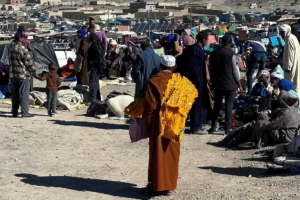
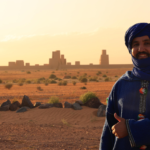
Traditional Aït Hadidou men’s clothing reflects the region’s mountain lifestyle, cultural identity, and adaptation to its harsh climate. Men traditionally wear a woolen jellaba or burnous, usually in natural white or brown tones, which provides warmth and protection from the cold, particularly during winter.
The burnous also carries cultural and symbolic significance, representing dignity and prestige and often being worn during important occasions and traditional festivals. Men may also wear a turban or woolen head covering to protect themselves from changing weather conditions, along with traditional leather slippers known as balgha, which are practical for the rugged terrain of the High Atlas Mountains.
Aït Hadidou Women’s Traditional Dress:
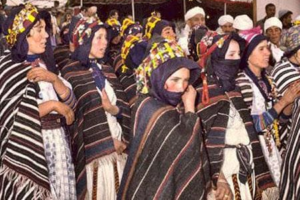
The traditional clothing of Aït Hadidou women is rich in color, craftsmanship, and cultural meaning. Women traditionally wear long dresses made from wool or cotton, often decorated with colorful stripes in red, blue, and green. These garments are commonly fastened with silver pins, which serve both decorative and symbolic purposes.
Traditional women’s attire is also complemented by silver jewelry, including necklaces, earrings, and anklets. Beyond their beauty, these ornaments can reflect social status, tribal identity, and Amazigh heritage. Many pieces are carefully preserved and passed down from one generation to the next, helping maintain the cultural traditions and identity of the Aït Hadidou community.
Symbolism of Colors and Decorations:
The colors and decorative patterns in Aït Hadidou traditional clothing reflect the community’s connection to the mountain environment and Amazigh heritage. Red is associated with strength and vitality, while blue represents the sky and water, and green symbolizes the land and fertility.
The geometric patterns found in Aït Hadidou clothing also carry cultural significance. Their balanced and harmonious designs reflect important principles of Amazigh art and traditional craftsmanship, adding both visual beauty and symbolic meaning to the region’s traditional attire.
Traditional Attire for Festivals and Seasons:
Traditional Aït Hadidou clothing holds particular importance during seasonal celebrations and cultural festivals, including the Sidi Hmad Oulmghni Moussem and the Imilchil High Atlas Music Festival. Wearing traditional attire, especially during these important occasions, expresses pride in Amazigh cultural identity and strengthens the connection between the community and its heritage.
Amazigh Tattooing: Tradition and Symbolism:
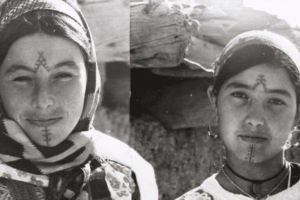
Traditional Amazigh tattooing was an important element of Amazigh culture for many generations. Beyond decoration, tattoos carried cultural meanings and symbols that could express a person’s identity, social position, and tribal or regional affiliation. Women were traditionally the primary practitioners, with tattooing often taking place at a young age or during significant stages of life, including marriage.
Amazigh tattoos commonly featured simple geometric shapes such as lines, dots, and triangles, each associated with different meanings. Depending on the community and context, these symbols could represent beauty, fertility, strength, or protection from the evil eye. Their meanings were traditionally understood and transmitted within Amazigh communities.
Tattoos were often placed on visible parts of the body, particularly the face, chin, forehead, hands, and feet. In traditional contexts, these markings were associated with protection, good fortune, and cultural identity. While also reflecting connections to particular tribes or regions.
Over time, traditional Amazigh tattooing gradually declined due to changing lifestyles, religious and social influences, and the spread of modern practices. Although the tradition is now much less common, its symbols remain part of Amazigh cultural memory and continue to appear in henna designs, crafts, contemporary art, and decorative patterns, helping preserve Amazigh identity and cultural heritage.
Conclusion
The Imilchil Engagement Moussem is one of the most distinctive expressions of Amazigh cultural heritage in Morocco. Held in the High Atlas Mountains, this traditional gathering brings together marriage customs, spirituality, music, traditional clothing, crafts, and community celebrations, reflecting the rich cultural identity of the Aït Hadidou people.
Contact us today for a free quote and start planning your Morocco adventure with our local experts