Built heritage in Morocco reflects the country’s rich cultural heritage, architectural diversity, and centuries-old traditions. From winding medina alleys to ancient kasbahs, Morocco offers a fascinating variety of historic buildings and landmarks.
Moroccan architecture tells a unique story in every city and village. Traditional riads, historic mosques, ancient kasbahs, and elegant palaces showcase the country’s artistic and architectural traditions. These remarkable structures are more than simple buildings. They represent Morocco’s history, craftsmanship, and close relationship with its natural environment.
Walking through Moroccan cities and villages feels like exploring an open-air museum. You can admire intricate zellige tilework, beautifully carved cedar wood, decorative plaster, and colorful doors. Local artisans have preserved these traditional techniques for generations.
The imperial cities of Morocco offer some of the best examples of the country’s architectural heritage. Fes, Marrakech, Meknes, and Rabat each have their own distinctive character and historic landmarks. Their medinas, palaces, gates, and religious buildings attract travelers from around the world.
Whether you explore an ancient medina, visit a historic kasbah, or stay in a traditional riad, the historic buildings and heritage of Morocco offer an unforgettable cultural experience. They remain among the most fascinating tourist attractions in Morocco and provide travelers with a deeper understanding of the country’s history and identity.
Traditional Architecture
Riads and Palaces:
Moroccan riads are among the finest examples of traditional Moroccan architecture. They combine beauty, comfort, privacy, and timeless design. These traditional homes offer visitors a unique way to discover Morocco’s cultural heritage.
At the heart of every riad, you will find a peaceful central courtyard. Many courtyards feature elegant fountains, lush gardens, citrus trees, and fragrant flowers. This quiet space creates a relaxing oasis away from the busy streets of the medina.
Traditional riads also suit Morocco’s climate. Their central courtyards allow natural light and fresh air to circulate throughout the house. Their design also provides greater privacy for families. At the same time, riads preserve important elements of traditional Islamic architecture.
Today, travelers can discover beautifully restored riads in Fez, Marrakech, and the old medina of Casablanca. Many of these historic homes now welcome visitors as charming guesthouses and boutique accommodations.
Staying in a Moroccan riad offers more than comfortable accommodation. It provides an authentic way to experience Morocco’s cultural heritage and architectural legacy. From colorful zellij to peaceful courtyards, every detail tells a story about the country’s history, craftsmanship, and traditions.
Mosques and Medersas:
Moroccan mosques are remarkable examples of Islamic architecture in Morocco. They feature elegant domes, finely carved cedar wood ceilings, and beautifully crafted doors. Intricate Islamic geometric patterns often add a unique artistic touch to their design.
These architectural details showcase the richness of Moroccan craftsmanship. Skilled artisans have preserved traditional techniques and passed them down through generations. Their work reflects Morocco’s long history of art, architecture, and Islamic traditions.
These historic buildings and heritage sites in Morocco stand as enduring symbols of the country’s religious and cultural identity. Their architecture attracts travelers who want to discover Moroccan history, Islamic art, and traditional craftsmanship.
From historic medinas to ancient imperial cities, Moroccan mosques offer visitors a deeper insight into the country’s cultural heritage. Their distinctive architecture continues to inspire admiration and remains an important part of Morocco’s identity.
Traditional Amazigh (Berber) Buildings
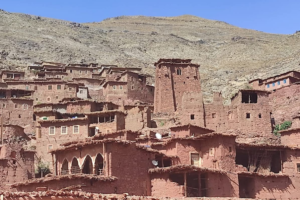
Traditional Moroccan homes in mountain and desert villages are often built from natural materials such as clay (adobe) and stone. This clay and stone architecture in Morocco is naturally resistant to extreme temperatures, keeping interiors cool during hot summers and warm during cold winters. It reflects a deep understanding of sustainable building practices and adaptation to the local environment. Simple yet warm and visually striking, these homes blend harmoniously with nature, showcasing the beauty of sustainable architecture in Morocco and the timeless charm of rural Moroccan landscapes.
Modern Architecture: A Blend of Tradition and Innovation
In major cities such as Casablanca, Rabat, and Marrakech, modern Moroccan architecture reflects strong European influences, particularly French colonial design. This architectural fusion is visible in contemporary urban developments, where functionality meets aesthetic appeal. Key features of modern buildings in Morocco include large windows that maximize natural light, flat or red-tiled roofs, and clean, minimalist facades that define the urban skyline. These structures are equipped with modern facilities such as elevators, shopping centers, and contemporary interior layouts that support modern lifestyles. At the same time, many buildings still incorporate traditional Moroccan elements such as zellij mosaic tiles, horseshoe arches, and decorative patterns, preserving the cultural identity and architectural heritage of Morocco while embracing modernity.
Unique Features of Moroccan Architecture
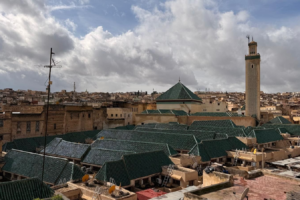
Traditional Moroccan architecture is renowned for its rich aesthetic details, where vibrant colors, intricate geometric patterns, and delicate floral motifs transform every space into a true work of art. One of its defining strengths is natural ventilation, achieved through interior courtyards, multiple windows, and high ceilings that allow fresh air to circulate freely throughout the building. This makes traditional homes and riads in Morocco highly effective examples of climate-adaptive design.
In terms of climate adaptation, clay and stone structures naturally retain warmth during winter while keeping interiors cool in the hot summer months, demonstrating centuries of sustainable building knowledge. Privacy is another essential feature, as riads and traditional Moroccan homes are designed as peaceful sanctuaries, offering families a private retreat away from busy streets.
Finally, Moroccan architecture reflects remarkable cultural diversity, blending Amazigh, Arab, Islamic, and European influences into a unique architectural identity. This fusion creates a style that is distinct in the world of architecture and highlights Morocco’s rich cultural heritage and historical depth.
Living Examples to Explore
Fez, home to one of the world’s oldest living medinas, is filled with beautifully preserved riads, historic mosques, and ancient madrasas showcasing breathtaking Islamic decorative art and traditional Moroccan craftsmanship. In Marrakech, visitors can explore royal palaces and traditional riads in the medina, offering a fascinating journey through time, art, and Moroccan heritage.
The city of Ifrane, often called the “Switzerland of Morocco,” features European-style houses with red-tiled roofs, clean architecture, and large windows set amid lush forests and natural landscapes. Meanwhile, the Atlas Mountains and desert villages reveal a different side of Morocco, where clay homes and ancient kasbahs demonstrate how local communities adapted their architecture to harsh environmental conditions.
Together, these destinations highlight the diversity of Moroccan architecture, blending history, culture, and nature into a unique travel experience that defines Morocco’s rich identity and timeless beauty.
Why Explore Morocco’s Buildings?
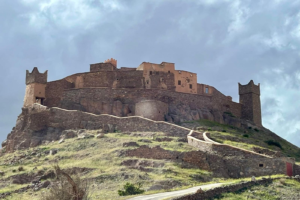
Every Buildings hertitage in Morocco tells a unique historical and cultural story, reflecting centuries of Moroccan architecture and diverse cultural influences. Walking through the country’s old medinas and modern streets offers a true sense of discovery and adventure, where each corner reveals a new layer of history and identity.
Visitors have the opportunity to admire handcrafted Moroccan zellij tiles, intricate wood carvings, stucco work, and traditional decorative art that highlight the richness of local craftsmanship. These details make Morocco one of the most visually inspiring destinations for cultural tourism. Travelers can also capture unforgettable photographs where traditional architecture blends beautifully with natural landscapes, creating stunning visual contrasts.
Conclusion
Morocco is more than just a tourist destination; it is a living cultural experience. Every street, door, and window invites visitors to immerse themselves in a world rich in culture, art, and Moroccan identity, making it one of the most captivating travel experiences in North Africa.
Contact us today for a free quote and start planning your Morocco adventure with our local experts